Opening the Full Possible of the AI Agents Marketplace: What You Need to Know
The AI agents marketplace offers significant possibilities for companies aiming to improve performance and automation. However, steering with this landscape needs a critical approach. Companies need to analyze their specific requirements and recognize appropriate AI options. As organizations commence this trip, they face vital choices that can form their future. What aspects should they focus on to assure effective integration and make best use of advantages? Recognizing these components is crucial for making educated selections.
Recognizing the AI Agents Marketplace Landscape
As the demand for AI solutions remains to grow, the landscape of the AI agents marketplace has advanced right into a vibrant ecological community. This marketplace incorporates a diverse series of services and products designed to enhance automation and performance throughout various sectors. Principal consist of established tech companies, startups, and open-source communities, each adding special developments and functionalities.
The affordable nature of this atmosphere fosters quick improvements, resulting in a selection of AI agents tailored to specific jobs, from client service chatbots to complicated decision-making systems. As companies increasingly identify the worth of AI, they seek solutions that use scalability and combination with existing technologies.
Governing considerations and ethical effects even more shape the marketplace, compelling programmers to prioritize openness and accountability. Generally, the AI agents marketplace remains to increase, driven by technological technology and a growing understanding of the transformative capacity of expert system.
Key Applications of AI Agents Across Industries
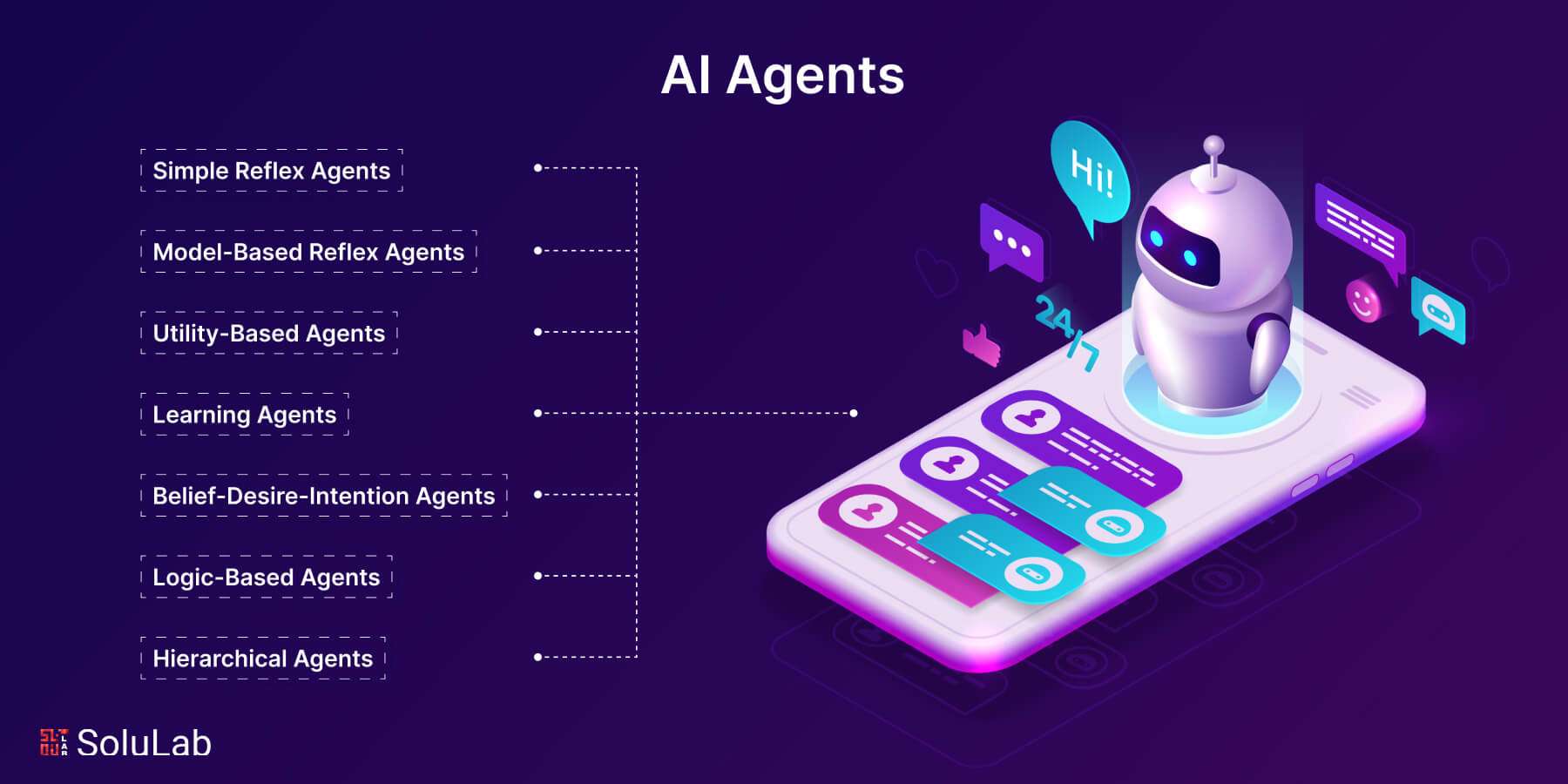
AI agents are changing various sectors by automating tasks that improve functional efficiency and decision-making. In the health care market, AI agents aid in diagnostics and client monitoring, improving procedures and improving results. In money, they evaluate market fads and help with trading, making it possible for quicker and more educated financial investment decisions. Retail markets make use of AI agents for stock monitoring and personalized client experiences, maximizing sales strategies and stock turn over.
Manufacturing additionally advantages, with AI agents keeping track of devices and forecasting maintenance requires to decrease downtime. In marketing, they evaluate customer habits and automate targeted projects, boosting involvement and conversion prices. AI agents play an important duty in logistics, maximizing supply chains and lowering prices through smart routing and demand forecasting. As organizations across these industries embrace AI agents, they expose new levels of efficiency and advancement, placing themselves for future development and affordable benefit.
Determining the Right AI Agents for Your Service Demands
Just how can services determine which AI agents align ideal with their certain requirements? To make informed choices, companies ought to begin by evaluating their operational purposes and determining the particular challenges they deal with. This includes specifying the essential functions that AI agents will certainly sustain, such as customer support, data analysis, or procedure automation.
As soon as the requirements are clear, companies can explore the marketplace for AI agents tailored to those features. They ought to consider aspects such as the agent's capacities, assimilation ease with existing systems, and versatility to various workflows. In addition, examining instance research studies or reviews from similar sectors can supply understandings into successful executions.
Lastly, speaking with technical professionals or performing pilot tests can additionally improve choices, making certain that the selected AI agents not only fulfill immediate operational requirements yet also line up with lasting tactical goals. This methodical strategy enhances the likelihood of selecting the most efficient AI options.
Examining AI Agents: Metrics and Performance Indicators
Evaluating the performance of AI agents requires a clear set of metrics and performance indicators tailored to the details goals of the organization (AI Agents Marketplace). Key metrics typically consist of accuracy, which determines the agent's capability to offer right outcomes, and reaction time, showing the speed at which the agent processes demands. In addition, customer complete satisfaction scores offer insights right into exactly how well the agent satisfies user expectations
Involvement metrics, such as regularity of usage and retention rates, can indicate the agent's effectiveness in maintaining customer passion. Cost-effectiveness is an additional necessary efficiency sign, identifying whether the benefits obtained from the AI representative validate its operational costs.
Versatility and learning prices are considerable, as they measure the representative's capability to improve over time. With each other, these metrics offer a substantial framework for evaluating AI agents, making it possible for organizations to make educated decisions regarding their integration and optimization.
Ideal Practices for Incorporating AI Agents Into Your Procedures
Successful integration of AI agents into operations requires a tactical strategy that lines up with the organization's goals. Organizations should assess their details needs and identify the locations where AI can add the most worth. This calls for a comprehensive analysis of existing workflows and processes to determine inadequacies.
Next off, it is crucial to choose the best AI agents tailored to these needs, ensuring compatibility with existing systems. Training staff members to function alongside AI agents boosts acceptance and cultivates a collaborative setting.
Furthermore, companies need to develop clear communication channels to facilitate responses and modifications, guaranteeing continuous renovation of AI performances.
Finally, monitoring efficiency metrics post-implementation enables for ongoing analysis, assisting organizations adjust and optimize their AI approaches gradually. By complying with these ideal methods, businesses can effectively take advantage of AI agents to boost performance and achieve their calculated objectives.
Browsing Ethical Considerations in AI Adoption
What honest predicaments arise when organizations embrace AI innovations? The execution of AI agents offers numerous challenges, particularly relating to responsibility, openness, and justness. Organizations has to grapple with guaranteeing that their AI a fantastic read systems do not continue prejudices, as formulas trained on historical information can enhance existing inequalities. In addition, the opacity of some AI decision-making processes can bring about a lack of accountability, making it tough to recognize responsibility in case of mistakes or adverse end results.
Privacy issues likewise arise, as AI systems commonly need substantial information collection, increasing concerns about permission and data safety and security. The prospective displacement of work due to automation presents moral factors to consider surrounding labor force influence and economic inequality. Organizations must browse these intricacies thoroughly, fostering a moral framework that prioritizes human civil liberties and societal welfare while optimizing the benefits of AI technologies. By resolving these moral considerations, companies can ensure responsible AI fostering.
Future Patterns: What to Anticipate in the AI Agents Marketplace
The AI agents marketplace is positioned for significant advancement, marked by raised automation abilities that streamline jobs across different industries. Together with this, enhanced customization attributes are anticipated to customize individual experiences better, providing to private preferences and requirements. These trends recommend a future where AI agents end up being important tools for both businesses and customers.
Enhanced Automation Capabilities
Emerging trends in the AI agents marketplace signal a substantial jump in automation abilities, improving industries and operations. As AI agents become much more innovative, they are progressively able to take care of intricate jobs with marginal human treatment. This evolution permits companies to enhance operations, decrease expenses, and boost productivity. For example, markets such as logistics and production are leveraging AI agents to automate supply management and predictive maintenance, leading to enhanced efficiency. In addition, the assimilation of machine learning algorithms empowers these agents to pick up from past data, improving their efficiency in time. As automation becomes much more prevalent, companies can expect transformative changes in how they operate, leading the means for cutting-edge remedies and brand-new affordable benefits in the marketplace.
Improved Customization Functions
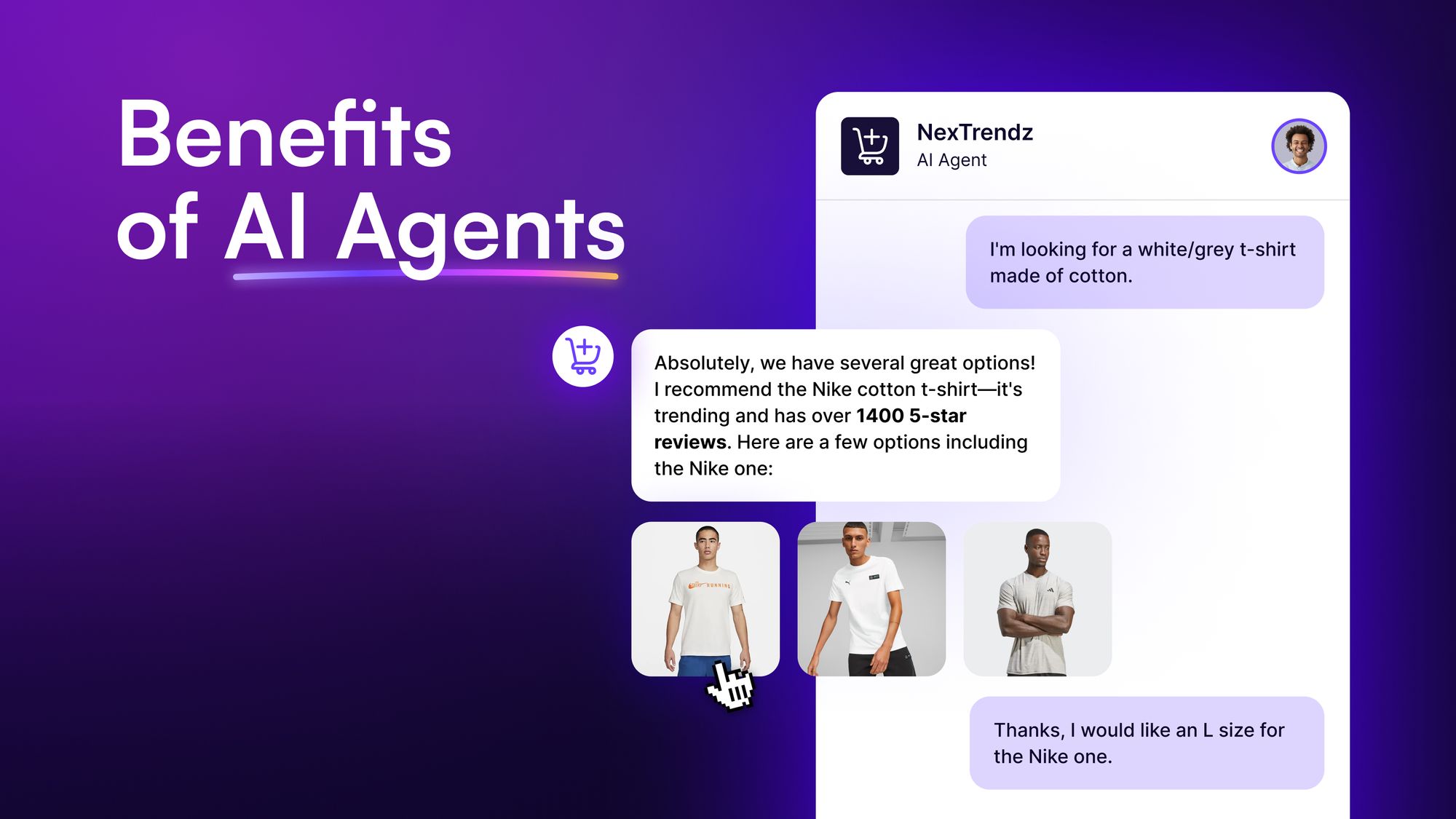
Just how will enhanced personalization functions improve customer experiences in the AI agents marketplace? These developments are set to change just how users communicate with AI agents, look at here tailoring services to private choices and demands. By analyzing user data and habits, AI agents will use referrals and remedies special info that reverberate even more deeply with each user. This shift towards hyper-personalization will not only improve individual fulfillment yet also foster higher commitment to specific platforms. On top of that, the integration of feedback systems will certainly allow AI agents to adapt in real-time, making sure that the customer experience constantly progresses. As these attributes become conventional, the marketplace will likely see raised engagement and retention, driving development and competitors amongst AI programmers to provide the most tailored experiences feasible.
Frequently Asked Concerns
Exactly how Do I Choose the Right AI Agent Vendor?
Selecting the appropriate AI agent vendor includes examining their expertise, reliability, and client comments. Assessing the technology's compatibility with existing systems and comprehending prices designs are necessary actions in making an educated choice.
What Are the Prices Linked With Releasing AI Agents?
The costs connected with releasing AI agents consist of licensing charges, infrastructure expenses, maintenance, training, and possible assimilation expenses. Organizations must assess these aspects to properly budget for implementation and ensure an effective implementation method.
Can AI Agents Be Personalized for Particular Company Needs?
AI agents can indeed be customized to meet details service requirements, enabling organizations to customize capabilities and efficiency - AI Agents Marketplace. This versatility enhances functional effectiveness, addresses unique obstacles, and fosters advancement in various industries and markets

Exactly how Do I Guarantee Data Privacy With AI Agents?
To assure information personal privacy with AI agents, organizations should execute durable encryption, develop clear information taking care of plans, carry out regular audits, and utilize anonymization strategies to shield sensitive details during processing and storage space.
What Support Choices Are Readily Available After AI Agent Execution?
After implementing AI agents, companies generally have accessibility to numerous support choices, consisting of technological support, individual training, and normal updates. These resources ensure smooth procedure and aid address any type of difficulties that might arise post-implementation.
Comments on “The AI Agents Marketplace and Its Effect on Enterprise Agility”